
Bach Chorales: The Music I Kept Coming Back To
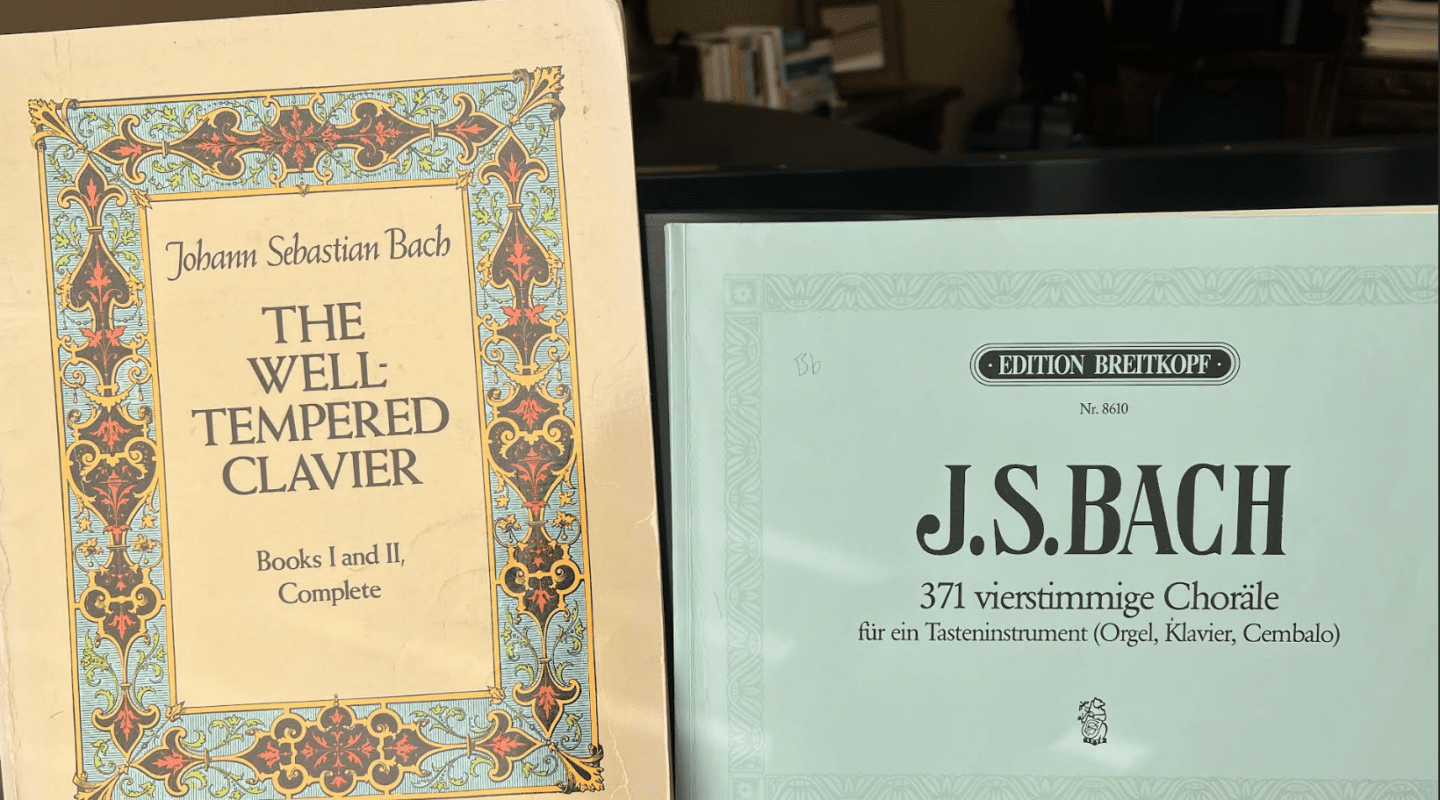
Robert Schumann once said that Bach’s Well-Tempered Clavier was his “daily bread.” I’ve always loved that phrase. Not dessert. Not a feast. Bread. Something steady. Something you live on.
When I was in graduate school, I found my own version of that daily bread in a much less glamorous book: 371 Chorale Harmonizations. For several years, I sat at the piano almost every day and played through Bach chorales for twenty or thirty minutes.
I started calling them my daily vitamins.
They’re not showpieces. Most are barely a minute long. No dramatic flourishes. No thundering climaxes. Just four simple lines of music moving together.
And yet, I kept coming back to them.
So What Is a Chorale?
Long before Bach, these were church hymns — melodies ordinary people sang together. They were meant to be sturdy and memorable, not impressive. They carried words about grief, hope, forgiveness, doubt, trust — the whole range of human experience.
Bach didn’t write most of those melodies. He inherited them.
What he did was wrap them in harmony that feels almost quietly miraculous.
The tune stays clear and singable. But underneath it, the other voices shift and weave in ways that create tension and release — like breathing. Nothing is flashy. Nothing tries to show off. But if you really listen, there’s an incredible sense of rightness to it. Each note feels like it belongs exactly where it is.
That’s part of the magic. It doesn’t call attention to itself.
When They Appear in the St. John Passion
You can really feel the power of these chorales in Bach’s St. John Passion.
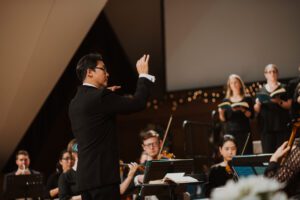
The piece tells the story of Christ’s arrest, trial, and crucifixion. The narrative moves quickly. The Evangelist sings the story. Jesus speaks. Pilate questions. The crowd shouts, sometimes harshly. The music can feel urgent, even unsettling.
And then, right in the middle of that intensity, everything changes.
A chorale begins.
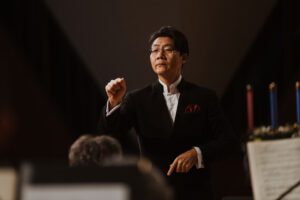
The texture becomes simple. The drama pauses. The harmony settles into four steady voices moving together.
For the people sitting in church in Leipzig, these melodies weren’t new. They were hymns they already knew by heart. So when one appeared, it wasn’t just another musical moment. It was as if the congregation itself stepped into the story.
The chorales in the St. John Passion don’t push the plot forward. They reflect on it. After betrayal, after denial, after suffering, a chorale offers space to respond — with sorrow, with humility, with trust.
It’s almost like Bach is saying: Don’t just observe this. Sing it. Live inside it.
The chorales turn the Passion from something that happened long ago into something shared and present.
Why Sing Them Today?
And that raises a question.
Why sing them now?
We live in a time of constant noise — endless commentary, breaking news, digital distraction. We consume music the way we consume everything else: quickly, privately, through headphones.
But chorales were never meant to be consumed. They were meant to be sung together.
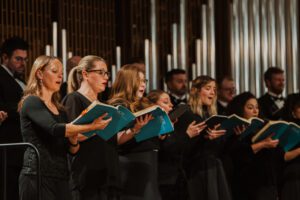
When people sing a Bach chorale, something simple but powerful happens. You breathe together. You listen to one another. You adjust your voice so it blends. You carry a melody that generations carried before you.
The music isn’t about showing off. It’s about belonging.
The words may be centuries old. The harmonies may come from another era. But the human need they answer is very current: the need for reflection, for steadiness, for shared expression.
When we sing them today — whether in a church, a concert hall, or even quietly at a piano — we step into a long line of voices. We participate in something that has endured war, change, doubt, and upheaval.
And we remember that depth doesn’t require spectacle.
What They Did for Me
When I first started playing them daily, I thought of them as training. Good for the ear. Good for discipline. Musical vegetables.
But over time, they became something else.
They were steady. Predictable in the best way. No matter how chaotic my day felt, those four voices would settle into place. The music unfolds with a kind of calm logic. It doesn’t rush. It doesn’t strain. It just moves forward, gently resolving its tensions.
There’s something deeply reassuring about that.
You don’t finish a chorale feeling dazzled. You finish feeling balanced.
And when you do that day after day, year after year, it shapes you. It trains you to value clarity over flash. Substance over spectacle. Patience over drama.
Like vitamins, you don’t feel the effect immediately. But over time, they work on you.
Schumann had his daily bread.
For a long stretch of my life, Bach chorales were mine — quiet, steady nourishment. Music I didn’t outgrow. Music I still return to when I want to remember what balance sounds like.
And maybe that’s why we still need to sing them.
